
Many people aim for a radiant complexion. Adding exfoliation to your skincare is key for skin rejuvenation. It removes dead skin cells, clears pores, and boosts cell turnover. This leads to healthier, younger-looking skin.
We’ll look at exfoliation’s benefits and share tips from Misha Tuleva, a top skin expert. She founded MT Skin Clinic and has lots of experience. Her advice will help you improve your exfoliation routine for great results.
Learn how exfoliation can change your skin. We’ll cover different techniques and how to add them to your skincare. With Misha Tuleva’s guidance, you’ll get closer to the glowing, refreshed skin you want.
Key Takeaways
- Exfoliation is key for removing dead skin and boosting cell turnover.
- Misha Tuleva, a skincare pro, offers top tips for exfoliating right.
- There are various exfoliation methods for different skin types and issues.
- Correct exfoliation makes your skin look more radiant and youthful.
- Follow expert advice to make your exfoliation routine work best.
Understanding the Importance of Exfoliation in Your Skincare Routine
Exfoliation is key in a good skincare routine, yet it’s often skipped. Adding regular exfoliation to your routine helps you get healthy, glowing skin. This makes your skin look better from the inside out.
What is Exfoliation and Why is it Crucial for Healthy Skin?
Exfoliation removes dead skin cells from your skin’s surface. As we get older, our skin naturally sheds cells slower, leaving behind dead ones. Exfoliating gives your skin a new start, letting it breathe and work better.
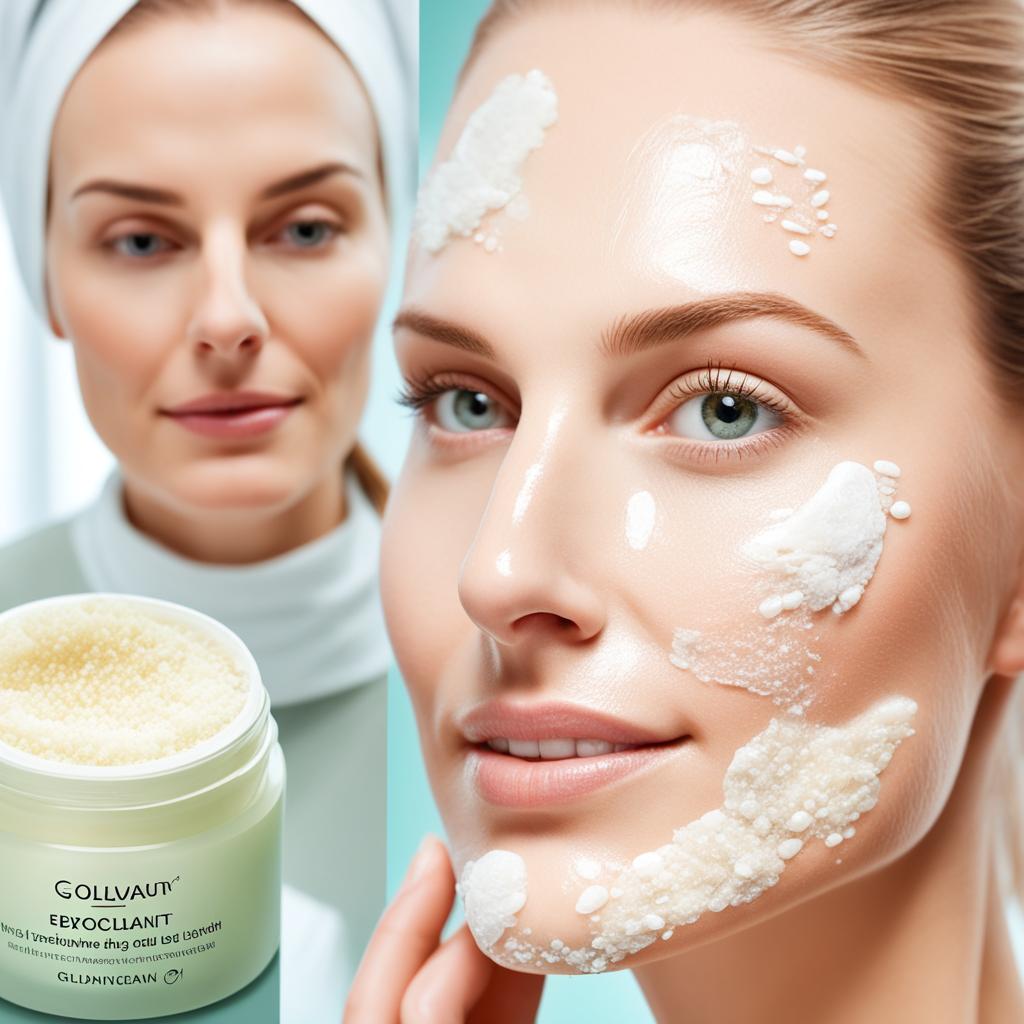
- Unclogs pores and prevents breakouts
- Allows skincare products to penetrate deeper and work more effectively
- Promotes skin cell turnover, revealing fresher, smoother skin
- Improves skin texture and tone
- Boosts circulation and encourages a natural, healthy glow
The Benefits of Regular Exfoliation for All Skin Types
Exfoliation helps all skin types. It doesn’t matter if you have oily, dry, combination, or sensitive skin. There’s an exfoliation method for you.
| Skin Type | Benefits of Exfoliation |
|---|---|
| Oily Skin | Helps control excess sebum production, unclogs pores, and reduces the frequency and severity of breakouts |
| Dry Skin | Removes flaky, dry patches and allows moisturizers to penetrate more effectively, resulting in softer, more supple skin |
| Combination Skin | Balances the skin by addressing both oily and dry areas, promoting an even skin tone and texture |
| Sensitive Skin | Gently removes dead skin cells without irritation, leaving the skin calm, soothed, and rejuvenated |
Adding exfoliation to your skincare routine makes a big difference. Say goodbye to dull skin and hello to a glowing complexion. Your skin will look healthy and beautiful.
Types of Exfoliation: Chemical vs. Physical
There are two main ways to exfoliate your skin: chemical and physical methods. Each has its own benefits and suits different skin types and concerns. Knowing the differences will help you pick the best exfoliation for your skin.
Chemical Exfoliants: Alpha-Hydroxy Acids (AHAs) and Beta-Hydroxy Acids (BHAs)
Chemical exfoliants dissolve the bonds between dead skin cells, making them easy to remove. The main types are Alpha-Hydroxy Acids (AHAs) and Beta-Hydroxy Acids (BHAs).
AHAs, like glycolic acid and lactic acid, work on the skin’s surface. They improve texture, reduce fine lines, and brighten the skin. They’re best for normal to dry skin.
BHAs, such as salicylic acid, go deeper into pores to clear them and fight acne. They’re great for oily and acne-prone skin, controlling sebum and preventing blackheads and whiteheads.
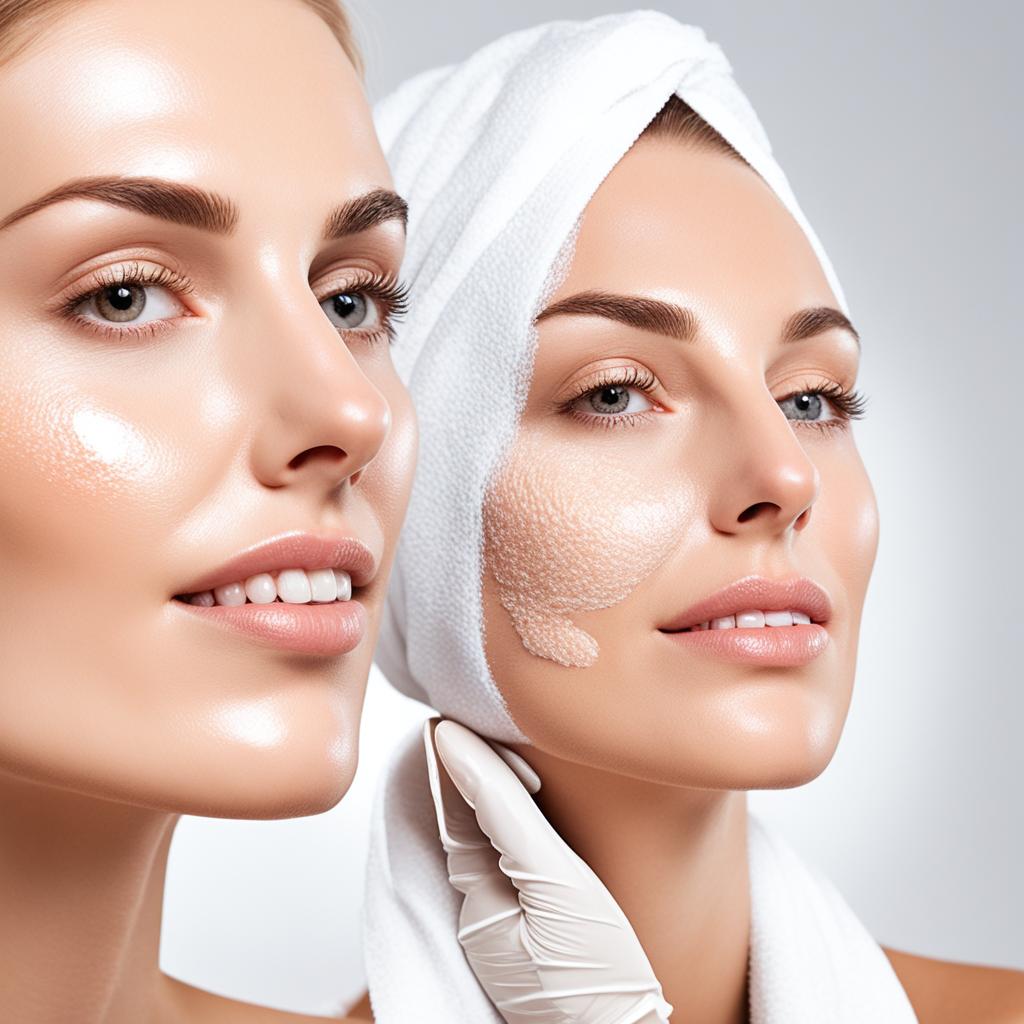
Physical Exfoliants: Scrubs, Brushes, and Other Tools
Physical exfoliants use abrasive particles or tools to remove dead skin. Examples include:
- Scrubs with sugar, salt, or nut shells
- Exfoliating brushes or gloves
- Konjac sponges
- Microfiber cloths
These are good for thick skin types. But, be gentle and don’t overdo it to avoid skin damage.
Choosing the Right Exfoliation Method for Your Skin Type and Concerns
When picking an exfoliation method, think about your skin type and concerns. Here’s a guide to help you choose:
| Skin Type | Recommended Exfoliation Method |
|---|---|
| Normal to Dry | Gentle chemical exfoliants (AHAs), soft physical exfoliants |
| Oily and Acne-Prone | Chemical exfoliants (BHAs), gentle physical exfoliants |
| Sensitive | Mild chemical exfoliants (lactic acid, mandelic acid), soft physical exfoliants used sparingly |
| Mature | Chemical exfoliants (AHAs), gentle physical exfoliants |
Success in exfoliation comes from finding the right balance for your skin. Start slow and adjust as needed. If you feel irritation, reduce exfoliation or switch to something gentler.
The Role of Exfoliation in Skin Rejuvenation Best Tips Skin Expert Misha Tuleva
Exfoliation is key for a good skin rejuvenation routine, says skin expert Misha Tuleva. It removes dead skin cells and helps new ones come to the surface. This makes fine lines, wrinkles, and age spots less visible, giving you a younger and brighter look.
Misha Tuleva shares top tips for adding exfoliation to your anti-aging skincare. First, pick the right exfoliants for your skin type. Start with gentle methods and slowly increase the strength as your skin gets used to it. This prevents irritation and damage.
Misha Tuleva’s advice on exfoliation helps you start the skin renewal process. Regular exfoliation removes dead skin, making your skin take in skincare products better. This means serums and moisturizers work better, giving you a younger and glowing skin.
Adding exfoliation to your skincare routine changes everything for skin rejuvenation. With Misha Tuleva’s help and regular exfoliation, you can see a big change. Your skin will look and feel amazing.
How Exfoliation Promotes Skin Cell Turnover and Renewal
Exfoliation is key in skincare, helping with skin cell turnover and renewal. It removes dead cells and boosts new, healthy ones. This leads to a youthful glow and better skin health.
The Science Behind Skin Cell Turnover and Its Impact on Skin Health
Skin cell turnover is how your skin gets rid of old cells and brings in new ones. As you get older, this process slows down. This leads to a dull, uneven skin look. Exfoliation helps keep this process going strong.
Exfoliating removes dead skin cells, making way for new ones. This makes your skin look better and helps it absorb skincare products better. This means your skin gets the most out of your skincare routine.
How Exfoliation Accelerates the Skin Renewal Process for a Youthful Glow
Regular exfoliation speeds up the skin renewal process. It gives you a youthful glow and makes your skin look and feel better. By getting rid of dead cells, new, healthy ones come to the surface. This makes your skin smoother, brighter, and more even.
Exfoliation also boosts collagen production. Collagen keeps skin elastic and reduces fine lines and wrinkles. Adding exfoliation to your routine can make your skin look younger and more vibrant.
Choosing between chemical or physical exfoliants is up to you. But the main thing is to exfoliate often and consistently. This helps with skin cell turnover, renewal, and gives you a glowing complexion that shows health and beauty.
Exfoliation Techniques for Targeting Specific Skin Concerns
Exfoliation is key for your dream glow-up routine. It helps with fine lines, wrinkles, dull skin, uneven texture, and clogged pores. Let’s see how to pick the best exfoliation for your skin.
Reducing Fine Lines and Wrinkles with Gentle Exfoliation
For fine lines and wrinkles, gentle exfoliation is best. Use mild chemical exfoliants like low-concentration alpha-hydroxy acids (AHAs) or enzymes. Or, try soft physical scrubs with fine particles to remove dead skin gently. Regular gentle exfoliation can make your skin look smoother and younger.
Brightening Dull Skin and Improving Texture with Targeted Exfoliation
Dull skin is tough, but exfoliation can help. Look for products with brightening ingredients like vitamin C, niacinamide, or gentle acids. These help remove dead skin, even out tone, and improve texture. Adding these to your routine can make your skin brighter and more radiant.
Unclogging Pores and Minimizing Breakouts with Regular Exfoliation
For clogged pores and breakouts, regular exfoliation is key. Use products with salicylic acid, a beta-hydroxy acid that cleans pores. It dissolves excess sebum and dead skin, preventing blackheads and pimples. Exfoliate gently to avoid irritation and more breakouts.
| Skin Concern | Recommended Exfoliation Technique | Key Ingredients |
|---|---|---|
| Fine lines and wrinkles | Gentle chemical exfoliants or soft physical scrubs | Low-concentration AHAs, enzymes, fine particles |
| Dull skin and uneven texture | Targeted exfoliation with brightening ingredients | Vitamin C, niacinamide, lactic acid, mandelic acid |
| Clogged pores and breakouts | Regular exfoliation with pore-clearing ingredients | Salicylic acid (BHA) |
Customize your exfoliation for your skin concerns for the best results. Be gentle, consistent, and patient, as it may take time. With the right approach, you’ll get the radiant, youthful skin you want.
Incorporating Exfoliation into Your Skincare Routine: Best Practices and Tips
To get the most from exfoliation, add it to your skincare routine the right way. First, figure out your skin type and pick the best exfoliation method and products. A good exfoliation plan can make your skin brighter and smoother. It also boosts the effectiveness of your skincare routine.
Misha Tuleva, a top skincare expert, suggests exfoliating 1-3 times a week. This depends on how your skin can handle it and what it needs. After exfoliating, always moisturize to keep your skin hydrated and safe. This step is key to keeping your skin’s natural barrier strong and avoiding dryness or irritation.
You can also use natural methods to exfoliate at home. These DIY ways are gentle and won’t break the bank. Some popular natural exfoliants include:
- Using a mix of honey and sugar for a gentle, nourishing scrub
- Making a homemade oatmeal scrub for sensitive skin
- Trying a mashed avocado and yogurt mask for hydration and exfoliation
When trying new exfoliation methods or products, be gentle and pay attention to how your skin reacts. Exfoliating too much can cause redness, irritation, and sensitivity. It’s important to find the right balance for your skin type. If you feel any discomfort or irritation, exfoliate less often or switch to something milder.
| Skin Type | Recommended Exfoliation Frequency | Suitable Exfoliation Methods |
|---|---|---|
| Oily/Acne-Prone | 2-3 times per week | Chemical exfoliants (BHAs), gentle physical scrubs |
| Combination | 1-2 times per week | Chemical exfoliants (AHAs or BHAs), mild physical scrubs |
| Dry/Sensitive | 1-2 times per week | Gentle chemical exfoliants (lactic acid), soft washcloths, or mild scrubs |
| Normal | 1-3 times per week | Chemical exfoliants (AHAs or BHAs), physical scrubs, or a combination of both |
By following these tips, you can easily add exfoliation to your skincare routine. Regular exfoliation, along with expert advice and a consistent routine, can give you the glowing, youthful skin you want.
Misha Tuleva’s Expert Advice on Exfoliation for Radiant, Youthful Skin
Misha Tuleva is a top skin expert who shares tips on exfoliation for glowing skin. She helps you add exfoliation to your skincare for a young look. With her advice, you can get a healthy glow that looks ageless.
Misha Tuleva’s Top Exfoliation Product Recommendations
Misha Tuleva suggests top-notch exfoliation products for great results without skin issues. Her favorites include:
- Gentle AHA serums that gradually dissolve dead skin cells and promote a more even skin tone
- Enzyme-based masks that effectively break down dead skin and impurities, leaving your skin feeling smooth and refreshed
- Micro-exfoliating scrubs that physically buff away dead skin cells and unclog pores for a clearer, more refined complexion
Using these products in your routine can make exfoliation work wonders. You’ll see a younger, glowing look.
Professional Exfoliation Treatments at MT Skin Clinic for Optimal Results
For deeper exfoliation, MT Skin Clinic has special facial treatments. These are for specific skin issues and give the best results. Popular treatments include:
| Treatment | Benefits | Ideal For |
|---|---|---|
| Chemical Peels | Reduces fine lines, wrinkles, and hyperpigmentation; improves skin texture and tone | Aging skin, sun damage, uneven skin tone |
| Microdermabrasion | Gently removes dead skin cells, unclogs pores, and stimulates collagen production | Dull skin, enlarged pores, mild acne scars |
| Dermaplaning | Removes peach fuzz and dead skin cells, enhances product absorption, and promotes a smooth, glowing complexion | Dry, rough skin, visible facial hair, dull skin |
Use Misha Tuleva’s tips for exfoliating at home and MT Skin Clinic’s treatments. Together, they can give you the glowing, young skin you want. Embrace exfoliation to boost your confidence and get a look that turns heads.
Common Mistakes to Avoid When Exfoliating Your Skin
Exfoliation is key in skincare, but it must be done right to avoid mistakes. These mistakes can cause irritation and harm your skin. We’ll cover three big mistakes to avoid when exfoliating.
Over-Exfoliating: Signs and Consequences
Many people over-exfoliate, thinking more is better. But this isn’t true for exfoliation. Signs you’re over-doing it include:
- Redness
- Irritation
- Dryness
- Increased sensitivity
This can hurt your skin’s natural barrier, causing many problems. To avoid this, exfoliate only once or twice a week. This depends on your skin type and the products you use.
Selecting Unsuitable Products for Your Skin Type
Choosing harsh exfoliants for your skin type is another mistake. Wrong products can irritate and inflame your skin. Here’s what to do:
| Skin Type | Suitable Exfoliant |
|---|---|
| Sensitive | Gentle, non-abrasive chemical exfoliants (lactic acid, mandelic acid) |
| Oily/Acne-Prone | Salicylic acid (BHA), gentle physical exfoliants |
| Dry | Mild chemical exfoliants (glycolic acid, lactic acid), gentle physical exfoliants |
| Combination | A mix of chemical and physical exfoliants, depending on specific areas |
Neglecting Post-Exfoliation Skincare Steps
After exfoliating, taking care of your skin is key. Skipping these steps can lead to dryness and sensitivity. Always:
- Moisturize your skin to replenish hydration
- Apply sunscreen to protect your skin from UV damage, as exfoliation can increase sun sensitivity
- Avoid harsh skincare products or treatments immediately after exfoliating
By avoiding these common mistakes, your exfoliation routine can improve your skin’s health and look. This way, you won’t harm or irritate your skin.
Transformative Before-and-After Results: Real-Life Exfoliation Success Stories
Seeing how exfoliation changes skin is truly inspiring. Many real-life stories show its power. These stories prove how simple steps can make a big difference in skin health and look.
Take Samantha, a client of Misha Tuleva at MT Skin Clinic. She had dull, uneven skin for years. But after starting regular exfoliation with Misha’s advice, her skin changed fast. In just weeks, her skin looked brighter, smoother, and more radiant.
The before-and-after photos show a big change in Samantha’s skin. They highlight how her skin’s texture and glow improved.
Samantha’s story is one of many showing exfoliation’s benefits. Misha Tuleva and MT Skin Clinic share these stories to inspire others. They want people to see exfoliation as a key skincare step. With regular use and the right methods, you can also see a big change in your skin and feel more confident.