
As a teenager, looking in the mirror filled me with dread. Cystic acne was more than just a spot. It made me feel less confident and unhappy. If you’re facing this struggle too, it’s important to remember you’re not alone. There’s hope. A good skincare routine can change your skin and your confidence. Let’s learn from skin expert Misha Tuleva.
Understanding what your skin needs during these years is key. To fight cystic acne and pimples, create a daily skincare routine. This routine, recommended by Misha Tuleva, is crucial. It can help with preventing breakouts or handling them if they show up. Are you ready to work towards healthier, clearer skin?
We’ll explore the methods and products Misha Tuleva supports for your skin. Don’t forget, staying consistent is vital. Each step in your skincare routine for acne helps get you closer to clearer skin.
Understanding Cystic Acne and Pimples
It’s important to know the difference between cystic acne and regular pimples. They both show up on the face during the teen years. Yet, they need unique treatments because of their different natures.
What is Cystic Acne?
Cystic acne is a severe type of acne. It shows up as deep, inflamed breakouts that can badly damage the skin. This acne develops from a buildup of oil and dead skin cells deep in hair follicles. It turns into cysts if these blockages are infected beneath the skin. This process results in painful, large, and stubborn acne lesions. Teens with cystic acne often feel upset because it keeps coming back. To manage it, a daily skincare routine specifically for teens with cystic acne should be followed.
Differences Between Cystic Acne and Pimples
It’s key to understand how cystic acne and regular pimples differ for successful treatment. Whiteheads and blackheads are common pimples. They sit on the skin’s surface and are fairly easy to treat. However, cystic acne goes deep into the skin, forming painful cysts. They are hard to treat and can leave lasting scars if not treated right. This difference shows we need a custom treatment plan for each type of acne.
Both teens and adults can face these conditions. To manage them well, it’s necessary to follow different skincare approaches. Crafting a solid acne daily skincare plan can greatly lessen their effects and lead to healthier skin. Knowing your acne type and using the right products and methods is crucial. This is the best way to fight acne.
Book an appointment with Misha and customized your skincare regimen for your acne condition.
Common Causes of Acne in Teens
Acne in teenagers is mainly caused by changes in hormones. When teens hit puberty, their bodies make more androgens. This can cause the skin to make more oil. Too much oil is a big reason why acne happens. Also, stress can make acne worse by changing our hormones. Things like school or fitting in can stress teens out. This stress can show up on their skin.
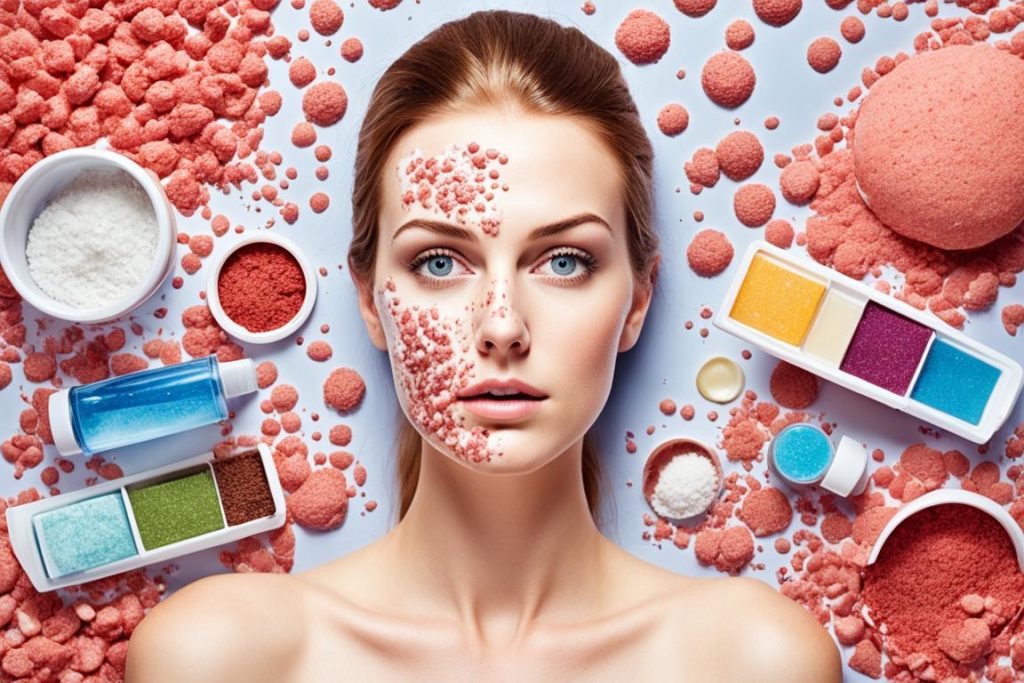
Our way of life can also make acne worse. Eating poorly, not sleeping enough, and not taking care of our skin can play a role. Foods that are processed and full of sugar can make your skin break out. Also, not getting enough sleep stops the skin from fixing itself at night. Plus, there are always bacteria on our skin. This can cause pimples if our pores get blocked, leading to redness and swelling. So, for teens to help prevent acne, they need to work on these things.
It’s important for teens to know about hormones, stress, how they live, and bacteria. When we eat better, sleep well, and take care of our skin, we can have fewer pimples. Doing these things can make our skin look better.
Importance of a Daily Skincare Routine
Understanding why a daily skincare routine is crucial is vital to keep your skin healthy and fight acne. A good daily regimen helps teens lessen breakouts and get better skin as they go along.
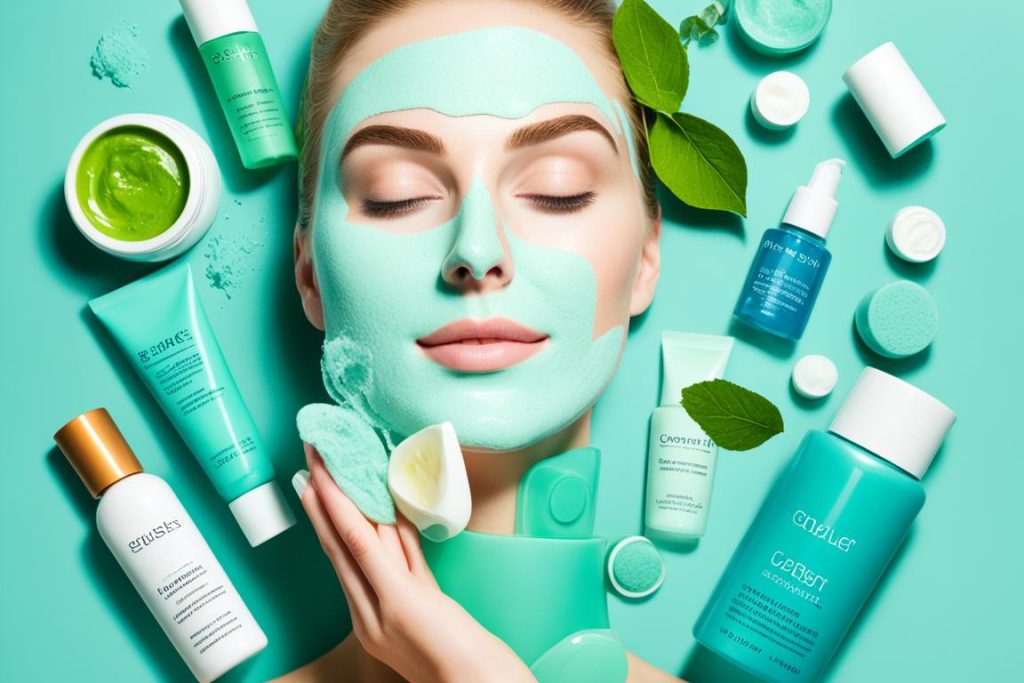
It’s very important to keep at it daily. Doing a skincare routine every day means cleaning, exfoliating, and nourishing your skin. This helps a lot to stop acne from showing up. When you wash your face regularly, you get rid of the dirt and oil that can lead to acne. Doing your skincare every day makes you get used to these good habits. This also keeps your skin looking good.
Using treatments often is key too. When you use certain products every day, they keep working for your skin. This helps your skin fight off acne better and stay clear. Using these products regularly also helps fight off redness and keeps new pimples from popping up.
A daily skincare routine does more than just prevent acne. It also makes your skin healthier and glowy. Making skincare a part of your daily life means you’re investing in great skin for the long run.
Best Skincare Practices for Acne Prevention
The key to stopping acne is having a clear, daily skincare plan. Choose products that match your skin type. Make sure they don’t clog your pores. This step is vital to prevent more breakouts.

Choosing the Right Cleanser
It’s critical to choose a mild cleanser. Pick ones that can clean away dirt and oils without drying your skin. A good cleanser will keep your skin hydrated but also fight acne triggers. This step is at the core of preventing acne.
Using Non-Comedogenic Products
Pick non-comedogenic items to stop pores from getting clogged. Your moisturizer should be non-comedogenic too. It keeps your skin moist without making acne worse. Using these types of products daily will help prevent acne and keep your skin in better shape.
Morning Skincare Routine for Teens
Book an appointment and customize your skincare to your skin type and concerns.
A great morning skincare routine is key for teens with acne issues. Skin expert Misha Tuleva recommends a morning skincare plan for healthier skin and fewer breakouts. Follow these important steps:
Cleansing
Start your day by washing your face. Pick a gentle cleanser designed for acne. It should clean well but keep your skin’s natural oils intact. This sets the scene for the rest of your acne-control routine.
Toning
After cleansing, it’s time to tone. A good toner evens your skin’s pH and makes your pores look smaller. Look for a toner without alcohol that’s gentle for acne-prone skin. This part makes sure your skin is primed for the next steps.
Moisturizing
Even oily skin needs moisture. Use a light, non-greasy moisturizer that doesn’t block your pores. Well-hydrated skin breaks out less and looks healthier.
Sunscreen Application
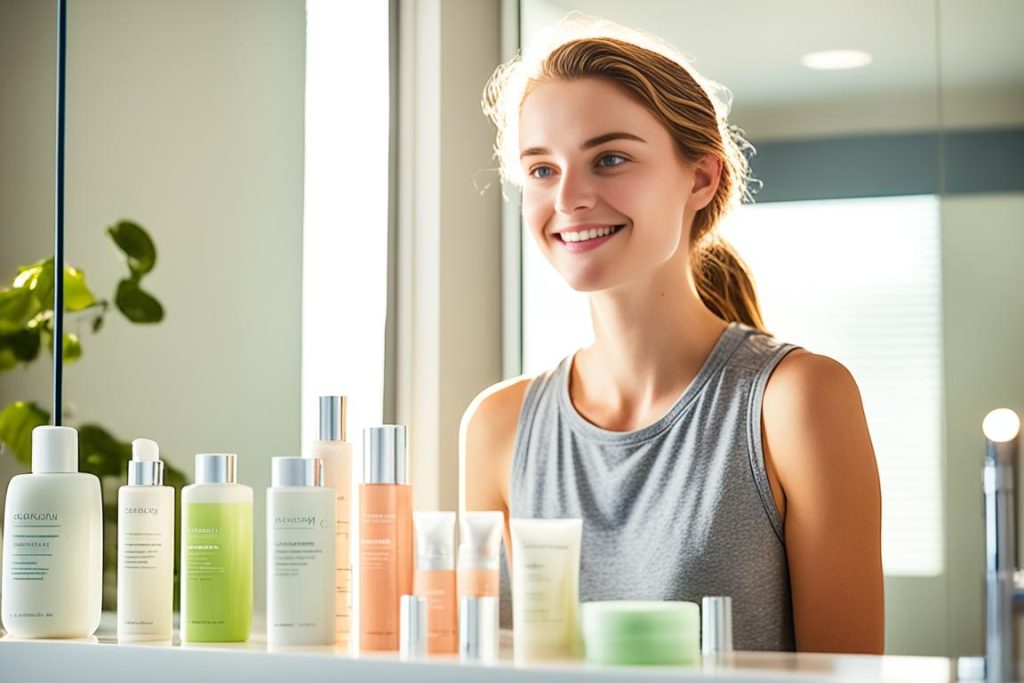
Sunscreen is a must, especially if you’re using acne products. Choose an SPF 30 or higher to shield your skin from the sun. This step keeps your skin healthy and is essential for your daily skincare routine for acne.
Evening Skincare Routine for Teens
At night, focusing on cleansing, treatments, and moisturizing your face is key. These steps keep your skin healthy and may help prevent acne.
Double Cleansing
Start your evening care by cleaning your face twice. First, use an oil-based cleanser to take off makeup and sunscreen. Then, a water-based one to clear out dirt and oil. This deep cleanse stops pores from getting clogged, which could lead to pimples. It’s great for teens dealing with acne to keep their skin clear.
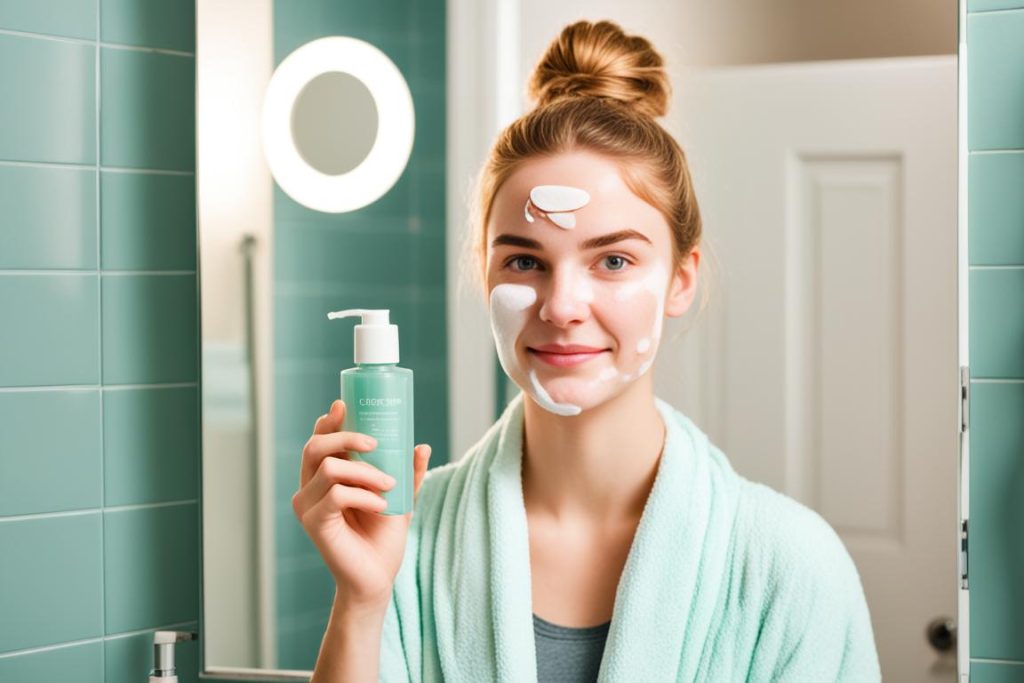
Applying Acne Treatments
After cleaning, apply acne products with benzoyl peroxide, salicylic acid, or retinoids. These can lessen redness, unclog pores, and stop pimples from popping up. Misha Tuleva suggests this in the nighttime. Letting these treatments work while you sleep makes them even more effective.
Nighttime Moisturizers
Using an acne-safe moisturizer is crucial. These kinds of products hydrate your skin without making it greasy. Such moisturizers help your skin recover at night. This keeps your skin healthy and balanced.
Following these skincare steps can really help with acne. This combined approach, from double cleansing to the right moisturizer, supports clearer skin over time.
Products Recommended by Skin Expert Misha Tuleva
Misha Tuleva knows a lot about treating acne. She often suggests skincare products that work well for teens with acne. One of her favorite picks is the Cetaphil Daily Facial Cleanser. It’s a gentle cleanser that helps with acne but keeps the skin’s moisture.
She also likes products with salicylic acid for those with lots of breakouts. The La Roche-Posay Effaclar Medicated Gel Cleanser is great for cleaning out pores and lessening blemishes. It not only fights acne but also helps stop new breakouts.
In addition, Tuleva points out the need for moisturizing, especially with products that won’t clog your pores. The Neutrogena Hydro Boost Water Gel is top on her list. It hydrates deeply but won’t make acne worse. Using these kinds of products every day can really help your skin fight acne.
Acne Serums and Their Benefits
Adding an acne serum to your routine can really change things, especially for those with pimples and cystic acne. Serums with salicylic acid and benzoyl peroxide are made to fight acne directly. They help reduce breakouts and make your skin smooth.
Salicylic Acid Serums
Salicylic acid serums are great at getting deep into the skin. They help by removing dead skin cells and opening up pores. This makes them perfect for people with pimples and cystic acne. Using them regularly decreases swelling and stops new breakouts.
Benzoyl Peroxide Serums
Benzoyl peroxide serums fight the bacteria that cause acne. They are very good at making pimples and cystic acne less severe. If you use a benzoyl peroxide serum every day, you can control acne and have clearer, better-looking skin.
How to Use Acne Patches Effectively
Acne patches are changing the game in zit-fighting tech, letting you target each pimple. Misha Tuleva, a skin pro, has the scoop on squeezing out the best results.
What Are Acne Patches?
Think of acne patches as mini, invisible shields for your zits. They’re like tiny heroes full of hydrocolloid, pulling up zit gunk and keeping bad stuff out. Plus, they stop you from picking, which is a big win.
Correct Application Methods
For the best use, start with a clean face. Then, dry it off and stick a patch right on the pimple. Let it stay on all night or for six hours minimum to soak up the bad stuff. Taking off the patch should be gentle to keep your skin happy. Keep using them to spot-clean your face and see your skin get better over time.
Teen Skincare Tips for Managing Stress and Diet
Keeping stress low helps not only your skin but your whole body. Ways to do this include exercise and meditation. Staying positive can also make acne less visible. These steps will show in your skin quickly.
It’s also key to eat well. A diet with plenty of fruits, veggies, and whole grains is good for acne. Foods with antioxidants and omega-3 help a lot too. Eating right and taking care of your skin go hand in hand.
Tie your eating habits to your skincare for better results. Stay away from junk food and too much sugar. Your skin and health will thank you.
By focusing on stress and diet, you can really change your skin. These tips are simple but powerful for clear skin.
Expert Advice for Cystic Acne Management
Consistent skincare and no common mistakes are key. They help you get clearer skin. Following expert advice and keeping your habits strong can really reduce bad breakouts.
Consistency is Key
Experts agree, sticking to a skin routine is vital for cystic acne. A regular routine keeps your skin in check, preventing big breakouts. By sticking to a routine, you help your skin become healthier. This makes it harder for acne to come back.
Avoiding Common Mistakes
Making sure you don’t mess up your skincare is critical for cystic acne. Using too many harsh products is a big mistake. They can dry your skin out and make things worse. Also, don’t jump around with products. This confuses your skin and stops it from healing well. Avoiding these issues helps keep your skin healthy and your acne from getting worse.
Acne Daily Skincare Routine Teens Cystic Acne Pimples Skin Expert Misha Tuleva
Book an appointment / virtual with Misha
An effective acne daily skincare routine for teens is key, especially with tips from expert Misha Tuleva. Her advice is great for dealing with cystic acne and pimples. I follow her tips, making sure to cleanse, tone, and moisturize every day.
Starting with cleansing is crucial, so I use a gentle, non-comedogenic cleanser to avoid breakouts. Then, I use a toner to balance my skin’s pH. Moisturizing follows to keep my skin from getting too oily, a big issue with cystic acne.
Misha Tuleva also recommends using acne patches and serums to target pimples and calm redness. These products contain helpful ingredients like salicylic acid or benzoyl peroxide. She stresses using these treatments right and often to get the best results.
So, a skincare routine crafted by Misha Tuleva is key for teens with acne. It’s about being proactive for healthy skin. I’ve seen real improvements in my skin by sticking to her plan every day.
Conclusion
I’ve shown you a detailed acne skincare routine for teens, especially for those dealing with severe acne. You now understand the important morning to nighttime steps. Each part helps keep your skin healthy. It’s very important to follow this routine. Skin expert Misha Tuleva’s advice is here to help you on your way to clear skin.
Sticking to a good skincare plan is key for real change. Use products that don’t clog pores, add effective acne serums, and change your lifestyle. Every tip is a part of a complete fight against acne. Remember, being steady is crucial in beating acne. Change won’t happen suddenly, but you’ll see improvements if you keep going and follow this advice.In the end, getting clear skin may be hard, but with Misha Tuleva’s expert tips, teens can make it. Stick to your daily plan, avoid common slip-ups, and keep your focus on your target. By starting now and maintaining good habits with Tuleva’s support, your journey to clear skin can be successful.